Safari travel essentials and golden sunset
Insider Knowledge

Travel Tips

Expert advice for an unforgettable Kenyan safari — from packing to wildlife etiquette.

🦁

Best Time to Visit

Kenya offers exceptional wildlife year-round, but timing enhances specific experiences. The Great Migration typically peaks in Masai Mara from July to October. For calving season (January–February), the southern Serengeti is extraordinary. Dry seasons (June–October & January–February) offer concentrated wildlife around water sources.

  • July–October: Mara River crossings (peak migration)
  • November–December: Short rains — lush landscapes, fewer crowds
  • March–May: Long rains — discounted rates, vibrant birding
📸

Wildlife Photography

Capture the magic of the savannah with these pro tips. The golden hours — sunrise and sunset — produce the most dramatic light. Use a telephoto lens (200-400mm minimum) for intimate animal portraits. Always keep your camera ready — the unexpected happens in seconds.

  • Shoot in aperture priority (f/5.6 – f/8) for sharp subjects
  • Carry spare batteries and memory cards — dust is your enemy
  • Use bean bags for stable shots from safari vehicles
🌿

Safari Etiquette

Respect for wildlife and local communities elevates the experience for everyone. Stay inside the vehicle unless in designated areas. Keep noise to a minimum — sudden sounds can startle animals. Never feed or attempt to attract wildlife, and always give predators the right of way.

  • Listen to your guide — they read animal behavior instinctively
  • Dress in neutral tones (khaki, olive, beige) to blend in
  • Avoid flash photography near nocturnal or sensitive species

🩺 Health & Safety

  • Consult a travel clinic 6–8 weeks before departure — Yellow Fever vaccination required for entry from endemic zones
  • Malaria prophylaxis is strongly recommended (consult your doctor)
  • Pack a basic medical kit: antidiarrheals, antihistamines, rehydration salts, antiseptic cream
  • Drink only bottled or purified water — lodges provide safe drinking water
  • Travel insurance with emergency evacuation coverage is essential

🤝 Cultural Respect

  • Ask permission before photographing Maasai or other tribal communities
  • Dress modestly in villages and towns — cover shoulders and knees
  • Learn a few Swahili greetings: "Jambo" (hello), "Asante" (thank you), "Karibu" (welcome)
  • Support local artisans by purchasing authentic crafts directly from communities
  • Avoid giving gifts to children — donate to established community projects instead

Essential Packing Checklist

What to bring (and what to leave behind) for the ultimate comfort on safari.

Clothing & Gear

  • Lightweight, long-sleeved shirts and pants (neutral colors: khaki, olive, tan)
  • Fleece or light jacket for early morning game drives
  • Wide-brimmed hat & UV-protection sunglasses
  • Comfortable closed-toe walking shoes & sandals for camp
  • Swimsuit (many lodges have pools)
  • Rain jacket if traveling during green season (March–May, November)

Essentials & Extras

  • High-SPF sunscreen and lip balm with UV protection
  • Insect repellent (DEET or picaridin based)
  • Binoculars (8×42 or 10×42 recommended)
  • Power bank and universal travel adapter (Kenya uses 240V, Type G plugs)
  • Reusable water bottle — many camps offer refill stations
  • Headlamp or small flashlight for camp pathways

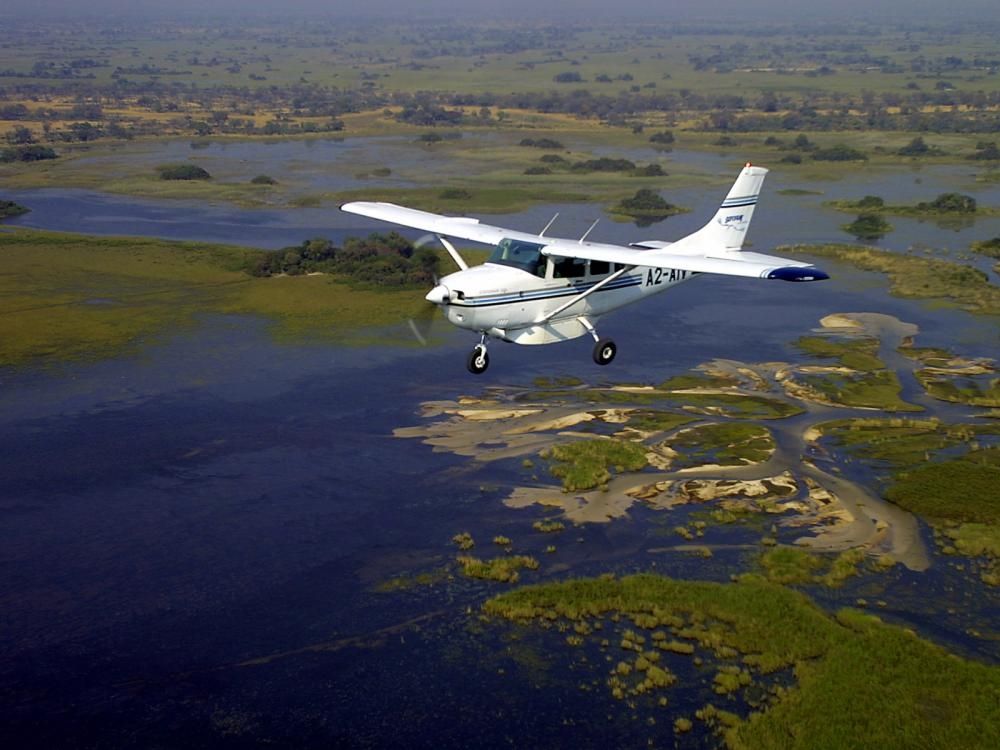
✈️ Pro tip from Francis: "Pack light but smart — most small aircraft have a 15kg (33lb) weight limit for soft-sided bags. Leave your hard-shell suitcase at home. A duffel bag is far easier for bush flights."

Practical Logistics

Visa, money, connectivity — everything you need to navigate Kenya with ease.

📋 Visa & Entry

  • e-Visa required for most nationalities — apply online at least 7 days before travel
  • Single-entry tourist visa (approx. $51 USD) valid for 90 days
  • Passport must have at least 2 blank pages and 6 months validity
  • Transit visas available for layovers exceeding 12 hours

💵 Money & SIM Cards

  • Kenyan Shilling (KES) is local currency — USD widely accepted at lodges & parks
  • ATMs available in Nairobi, Mombasa, Watamu, and major towns — carry some cash for remote areas
  • Safaricom offers best network coverage across parks (buy SIM at airport or any shop)

🚙 What to Expect on Game Drives

  • Early starts (5:30–6:00 AM) — best wildlife activity and golden light
  • Morning drives typically last 3–4 hours, returning for a hearty breakfast
  • Afternoon drives (3:30 PM – 6:30 PM) offer prime predator viewing
  • Most vehicles have pop-up roofs for unobstructed photography
  • Your guide will radio other vehicles to share sightings — always respectful of animal space
Ready for the adventure?

Let’s Craft Your Perfect Safari

From personalized itineraries to insider tips — we handle every detail so you can focus on the magic of Kenya.

Start Planning →
×

How would you like to connect?

Choose your preferred way to start planning your safari.

💬 Gransafari Assistant
🐘 Gransafaris Safari Assistant
👋 Jambo! I'm your Gransafari Assistant. Choose a question below or type your own. For a more detailed, personal answer, our team is also ready to help on WhatsApp! 🇰🇪